
Dialogue Arthur Hayes: the global macro situation, the AI deflation trap and the future of encrypted assets
AI DEFLATION COEXISTS WITH ENERGY INFLATION, AND THE FED WILL PRINT MONEY. 。
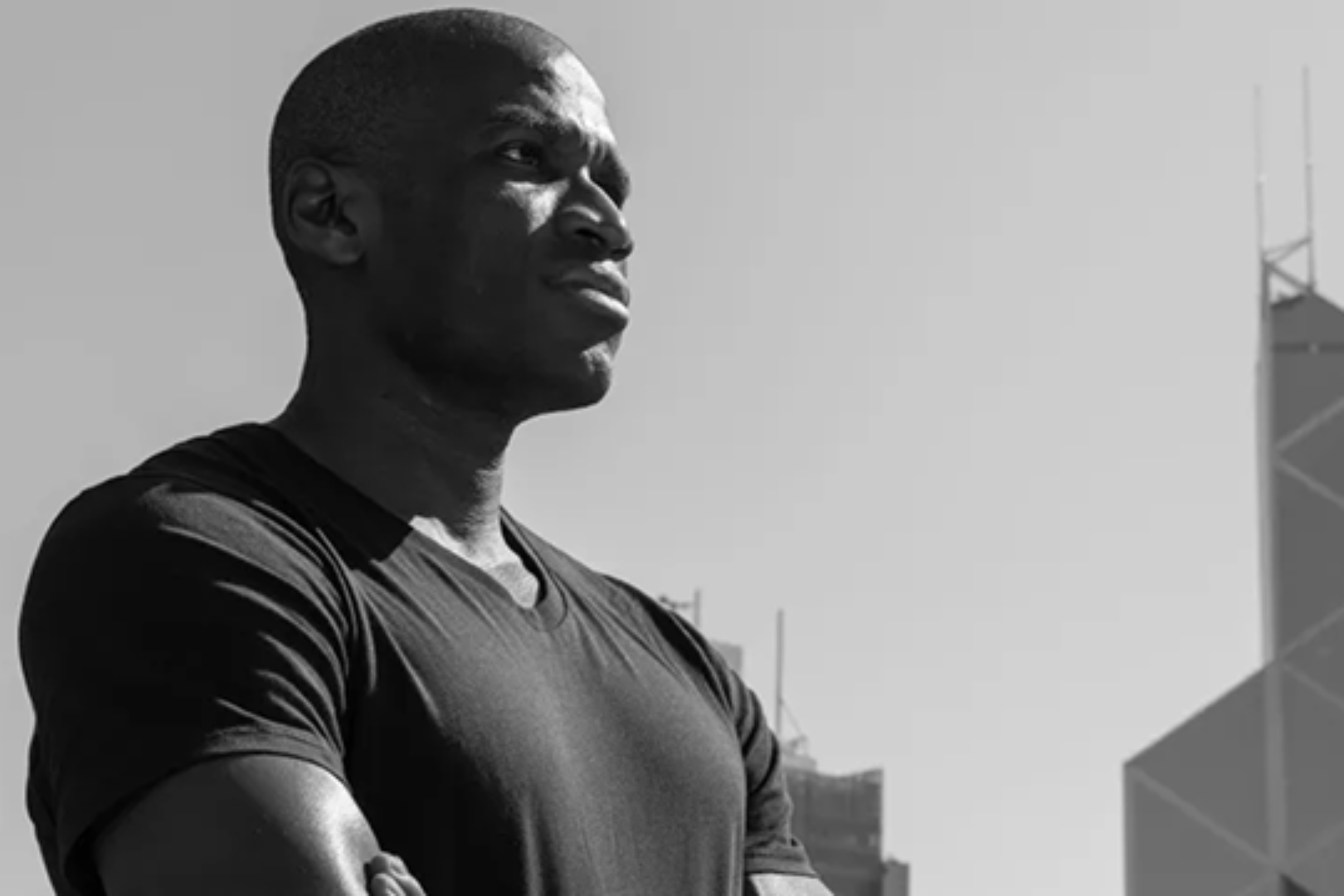
Photo by Anthony Popliano
Original language: White sector block chain
What's the real value of bitcoin? Arthur Hayes gives the answer to the soul: Bitcoin is worthless without retail users。
In this rare in-depth conversation, the Chief Investment Officer of Maelstrom, former founder of BitMEX Arthur Hayes, analysed the most complex macro-level situation of the moment with a consistent and profound perspective. From the truth about oil prices behind Iran’s war, to the deflation and energy inflation that AI triggered, to the sharp sawing of the trade system in gold, to Bitcoin’s unique role as a “liquid smoke alarm.”。
Even more surprising, Hayes boldly stated: insider trading should be legal, because the market needs real information most; more than 90 per cent of his assets are still bitcoin, but he has high hopes for Hyperliquid and Zcash; he openly criticized the various regulatory bills, insisting that the value of bitcoin was not dependent on Wall Street, but on the real needs of ordinary people around the world。
This is not just a macro-encoded collision; it is a profound reflection on free markets, transparency of information and the future financial order。
WANT TO KNOW WHAT REALLY WORTH HOLDING IN 2026? HOW DOES A SENIOR TRADER SEE WAR, AI, PRIVACY AND POWER? PLEASE CONTINUE READING, WHICH MAY BE THE MOST POLITICALLY CORRECT AND THOUGHT-PROVOKING DIALOGUE YOU HAVE HEARD THIS YEAR。
Iran's war and oil prices: the only significant indicator
Moderator: Bitcoin is worthless if it has no retail properties. I think that's what many people don't understand, so I said, "All of these bills are rejected." I hope Trump vetoes every bill. We don't need it. Not needed for 2009, not for 2018, not for 2026。
Hello, we've invited Arthur Hayes for a wonderful conversation today. He's Maelstrom's chief investment officer. In this dialogue, he will explain the current macro-environment and how the war in Iran may affect inflation, deflation, gold, bitcoin and other assets in traditional markets. And then we'll go into some of the encryption projects that he's so excited about: Hyperliquid, Zcash, forecast markets. Finally, Arthur told us that he believed that the insider trade should be legal, that his explanation would open your eyes and really make you think more critically about what he said and why。
This is my latest conversation with Arthur Hayes。
Okay, Arthur. Let's start with the war in Iran. It is clear that the situation has been repeated: war has to be fought, no war has to be fought, there has to be a ceasefire and there has to be no ceasefire. Oil prices soared, everyone panicked. What do you think of what happened? Should investors worry
Arthur Hayes: Basically, I made a chart on Bloomberg, the difference between the first contract and the sixth contract for WTI crude oil futures. I want to know the difference between the two contracts. Apparently, they were basically synchronized until the war began on February 28th. The previous month ' s contract had been stretched upwards because of supply interruptions, closures and the inability of many carriers to pass through the straits, and spot oil prices had become very expensive. However, while forward contracts have also increased slightly, they have not so much, as the market assumes that some compromise will be reached in the short to medium term and oil will continue through the Strait. So long-term oil prices are not as high as they were the previous month. That's the difference I've been tracking。
The only thing that matters is whether oil will pass through this strait. Unfortunately, many people in the Middle East are dying, but for most, they do not live there and have no family there. As long as gasoline prices are not too high, they do not care what happens in the Middle East. The only thing that matters to most of the world is: can I fly normally? Is the food cheap? Can I live like before the conflict
If oil flows, even people across the Middle East are still suffering losses that will not affect the wider picture. But if oil doesn't flow, we're in big trouble. So I'm just looking at a chart to judge the war in Iran, which is the difference between the two contracts. If long-term oil prices begin to rise, we will know that oil does not pass through the Strait, at whatever cost. If you can do that, and long-term oil prices remain manageable, we'll be fine. If that does not happen, then we have bigger problems。
This is how I see the war in Iran. This ceasefire may work, perhaps not. But if the current situation is considered sufficient to sustain the flow of oil and the Trump Government does not have to resort to extreme means, the conflict in the Middle East may continue, but it is not critical for the majority of the global population. So this is how I look at Iran: the oil price chart, the price difference。
Do you value what people say? For example, the straits are closed, but it looks like the transponders have been shut down, price fluctuations. Are you just looking at the price? Prices are the real truth, and all narratives, what's off, what's off, photos on the scene, and all these crazy things are really entertaining, right
Moderator: But is the price ultimately the teller of the truth about whether the strait is open
Arthur Hayes: It's price, because everything else is propaganda, nonsense, or we can't prove it. I read an article about it, I think it's good, and everything's fine. There is no absolute black and white, there is no full openness or closure, and everything depends on the circumstances. And "depending" is very difficult for investors. So we're always looking for an objective measure that can price this uncertainty, which is the difference between the price of the last month and the long-term oil price contract。
If oil flows, then news and rhetoric can allow oil prices to fluctuate. But is oil actually passing through? Can I get a contract for oil, aviation fuel or fertilizer in a few months? If all of this continues, there may be additional costs to be incurred, but the world can continue to operate and inflation will increase slightly, but it will be manageable as a whole。
2. INFLATION AND DEFLATION CHAINSAWS: AI CONFLICT WITH ENERGY
MODERATOR: BEFORE ALL THIS HAPPENED, MY VIEW OF THE WORLD WAS THAT THERE WAS DEFLATION: DEPORTATION, TARIFFS, AI AND ROBOTS WERE DEVOURING THE AMERICAN ECONOMY. YOU'RE STARTING TO SEE SOME PRICE DROPS ON INDICATORS. THERE IS A GROWING PERCEPTION THAT THE RISK OF DEFLATION MAY BE GREATER THAN INFLATION. SUDDENLY, OIL PRICES SURGED, AND THE FEAR OF SUPER-HIGH INFLATION CAME BACK. WHAT DO YOU THINK OF THE COMPETITION BETWEEN INFLATION AND DEFLATION? DO YOU CARE WHAT THE REAL ANSWER IS
Arthur Hayes: Inflation is what you need, inflation, deflation is what you want, right? If you mention the AI thing, the replacement of knowledge workers is accelerating. It's happening. There are companies that are retrenching because it is much easier to do specific knowledge work with AI agents than employing human beings, and this trend only strengthens and accelerates. This led to deflation of what we want. You want new objects, bags, cars or mansions on social media, you don't really need it, you just want it. Now you may be unemployed, losing high-paying technology jobs, and in the short term it will be difficult to restore previous consumption levels. So the "needs" advocated by those affected are deflation, and the credit behind them is a problem for the banking system, which only increases。
But what puzzles central banks is that what we need is inflation. The world economy as a whole is essentially a derivative of energy, and if energy is blocked through the straits, whether it is fertilizer used to produce food or raw oil, inflation will affect the economy as a whole. As a central bank, you have a problem: should I cut or raise? As a result, inflation and deflation occur simultaneously in different parts of the economy。
And when Kevin Walsh entered the Fed? Do you think he'll take a particular position or just look at the data rationally? There are analysts who will carefully analyze the statements of Fed officials。
Arthur Hayes: I don't think it matters. Ultimately, the Fed is the arm of the United States government, and they will do what the United States government needs them to make it affordable. If there was an AI-driven deflation time bomb that they needed to print money to save the banking system, they would do so, and economists would give reasons. If Trump decided to take tough action, it would require a large budget, and the Fed would likewise cooperate with the reduction and liquidity. It doesn't matter who sits in that position. They will do what needs to be done to ensure that the Government can afford it. As leverage investors, the time you need may not come immediately, but in the long run the Fed will always provide support in the way the government needs。
3. Gold, bitcoin and non-sovereign assets
Let's talk about gold. Gold has been doing well recently, and many central banks are buying it. But now Iran is alleged to be charging fees for the Strait, not for gold, but rather for TTs. Thus, non-sovereign neutral assets appear to have multiple uses. Depending on whether the purpose is defence or payment, gold and bitcoin now appear to be interchangeable. Examples of such non-sovereign assets have been prominent in the past 18 months. Do you agree
Arthur Hayes: Absolutely agreed. In recent months, the largest United States export was non-monetary gold. All claims of re-industrialization and increased exports are not supported by data. The data show that the United States is exporting gold to Switzerland, refined and shipped to China. This shows that a new gold standard is being quietly established. How do you get the renminbi without a trade surplus? The other side is willing to accept gold. So gold becomes the sovereign layer of the lubrication trade. It is not a formal gold standard, but it occurs slowly below the surface. As to whether bitcoin was actually being collected or whether it was merely a statement of position, actual transaction records would need to be seen to confirm。
Moderator: How do you think stocks, gold, bonds, etc. have fallen since the beginning of the war, while bitcoin is almost flat and even slightly rising
Arthur Hayes: Bitcoin has fallen by about 50 percent from historical heights. From the beginning of the war to the present, it has won relative to other assets, but for the majority of the holders there is limited consolation. The price of oil rose significantly, and it would have been better if Bitcoin had kept up with hydrocarbon prices, but at least it had performed better in the main asset classes than oil prices。
Why do you think Bitcoin hasn't won gold or stocks in the last few years
Arthur Hayes: I believe that the deflation effect of AI is that bitcoin is like a mobile smoke alarm that reminds us that problems exist. Not enough banknotes are printed, AI and data centres consume large amounts of capital, and global central banks and banks do not generate enough credit. As a result, Bitcoin has fallen as the most credit-sensitive asset. Elon Musk mentioned that AI was so deflated that people might ask the government to print more money. Bitcoin began to fall sharply in the third quarter of last year, probably because it anticipated a period of deflation rather than anticipated inflation. So bitcoin may need to wait until deflation pressure is eased before there is a significant recovery。
EVEN IF THE WAR IN IRAN ENDED TODAY, BITCOIN WOULD NOT RETURN $100,000 SIMPLY BECAUSE OF PEACE. I BELIEVE THAT THE IMPACT OF AI ON HUMAN LABOUR VALUES IS A VERY LARGE ISSUE, ESPECIALLY IN A FLEXIBLE ECONOMY LIKE THE UNITED STATES. MANY COMPANIES ARE DOWNSIZING BECAUSE THE AI TEAM IS MUCH MORE PRODUCTIVE THAN ORDINARY EMPLOYEES. WHILE THIS INCREASES BUSINESS EFFICIENCY, IT HAS A SUBSTANTIAL IMPACT ON ECONOMIES WHERE CONSUMER SPENDING IS DOMINANT。
What is your current share of bitcoin in the portfolio
Arthur Hayes: My net assets are about 90% above bitcoin. I'm dealing with nothing. It doesn't matter if it goes up or down. I have a very low cost base. The question, however, is whether to invest more in French currency or sell some of the bitcoin to buy other assets that could rise faster. I'm the best of Zcash and Hyperliquid. But if I asked if I would buy bitcoin in a new French currency today, I would say no, because we are still waiting for the large-scale printing of currency. Central banks need to recognize that AI can cause pressure on the banking system. Now they think that AI will raise productivity, so no extra action is needed until the world view changes, and the price of bitcoin reflects the lack of credit。
Did you sell bitcoin to buy anything else, or just don't invest in new dollars
Arthur Hayes: I sold bitcoin to buy Zcash and Hyperliquid, but not to get the French currency back. If additional French currency enters the portfolio, it is placed where the rate of return on the national debt is earned。
You have any other assets
Arthur Hayes: Not encryption, gold. I hold the gold and gold mining units in kind. It's basically my entire portfolio — encryption and gold, that's all. For Maelstrom, that's it。
4. Hyperliquid, thought on predicting markets and insider trading
Moderator: When you look at different encryption technologies and companies, many companies are on the market, and there are new challenges, from predicting markets to Hyperliquid. What do you think they're competing with Coinbase, BN, these big companies
Arthur Hayes: The biggest challenge is the Hyperliquid and its DEX model, which poses a sexual risk to Coinbase and BN. We've been trying to get out of the market without a license since the Eternal Contract was invented. I like it because it offers 24/7 leverage to users around the world to find a product market match. It is taking over the price of some assets, especially those who cannot be traded through traditional channels. Anyone who has a stable currency or bitcoin now has leverage to express their views. That's what changes the rules of the game. It is difficult to respond quickly to the innovation of such a small team in a centralized trading platform. Hyperliquid is about to introduce predictive market functions and significantly reduce costs, which will lead to interesting patterns of competition。
I believe that insider trading should be legalized in all asset classes. We want the market to reflect real-time information instead of waiting for media coverage. Government officials place their bets in the forecast market, allowing the market to know more quickly what they are doing. This is more valuable than advocacy。
Moderator: Do we accept this trade-off if information is shared for personal benefit? Are they providing public services to markets
Arthur Hayes: I think so. The market should consolidate all available information. If some information can be shared, not others, what is the significance of the market? Yes, there is an ethical problem, but as a trader, I want complete information. We can then deal with the part of government officials, but similar behaviour already exists in most countries. Making information publicly available would allow for better pricing and continuous flow of information, since the best way to express a true opinion was to put money on it。
What about the assassination of vulnerable markets
Arthur Hayes: Let it happen. It's not like this. If we price it, we can know if the risk is rising and perhaps alert the authorities. In addition to their negative uses, these markets can provide more information. What the market gives us is the price of mass intelligence combined。
5. Retail properties of bitcoin, currency of privacy and future outlook
Moderator: Let's talk about Trumpbitcoin and encrypted promises. Many looked forward to strategic bitcoin reserves and regulations, but bitcoin prices remained largely where he had been elected. What do you think
Arthur Hayes: People always say we need institutional investors, so we need these bills. I said who cares? It's a retail-driven campaign. It is valuable for providing options for those who do not have financial services. We have created another financial system outside the traditional banking system. It would dilute its value if it were added to a large body of rules just to attract large funds. Banks are interested because billions of ordinary people trade it. If Bitcoin loses its retail properties, it is worthless. So I want those bills to be vetoed. We never need them。
And the rate of return
Arthur Hayes: I want a stable currency to provide a rate of return that competes with the banks, but the reality is that political factors are preventing it. The stabilization of currencies is a major challenge for banks, as it may result in the loss of deposits. People are learning how politics works: stakeholders will ensure that bills against them are vetoed。
Did your views change after your past legal dispute
Arthur Hayes: Nothing has changed. There was agreement before and after. It is only now more deeply felt that the banking system is hostile to what we build. This is not a cute little game, but a competition that costs money。
What do you think of Zcash
Arthur Hayes: Bitcoin is transparent, it's good and bad, but it's not completely private cash. In the era of AI and Big Technology, it's easier to de-anonymize, and if you want complete privacy, zero knowledge like Zcash proves the value of protocol. Privacy needs will increase over time, and Zcash prices are expected to reflect this. It will not be fully embraced by the mainstream financial system, just as cash is no longer the economy of modern banks, but it is important for individuals and certain scenarios。
What do you see most in encryption
Arthur Hayes: I'm looking at a lot of Layer 2 projects that lack customer and product markets. Too many projects rely on unhealthy VC capital formation. We need to go back to the popular base and give economic benefits to communities so that incentives are better aligned and project performance healthier。
What are the prospects for a lasting contract on Wall Street
Arthur Hayes: I think that a similar product from traditional finance would fail because of a settlement mechanism. The limited loss and socialization mechanisms of encryption allow for high leverage and 24/7 transactions, as retail users want. Hyperliquid has the potential to become a very large trading platform, as it serves billions of people around the globe, not just a few people in developed countries. Buying hypetoken is like having part of the biggest trading platform in the future, and the cost buyback mechanism gives it deflation properties。
Moderator: What are you doing to raise equity funds
Arthur Hayes: As prices recede, many non-tradable platform encryption companies with a solid gold stream and a good team are underestimated. The founders wanted to quit, and we offered liquidity by buying off, introducing operators to opt out, waiting for the market to recover. This is an attractive time。
Where can we find you
Arthur Hayes: I'm on X platform @CryptoHayes and Substack Crypto Hazes, where I'll publish articles。
And you know, to sum up your current market view, it's gonna keep printing money for a long time. You look at bitcoin, gold, Hyperliquid, Zcash, and the undervalued encryption companies in the market。
Arthur Hayes: I'm not an AI stock player, and I prefer to do things I'm familiar with. I don't need to keep staring at the screen。
Thank you for the interview. We'll talk soon。
