
The 2000-word testimony was silent on monetary policy, and the Wosh hearing focused on: Why did the interest-rate attitude turn
The real bottom card is a threat that it will not be revealed until it is officially in office。
Original by Zhang Yachi
Original source:See you on Wall Street
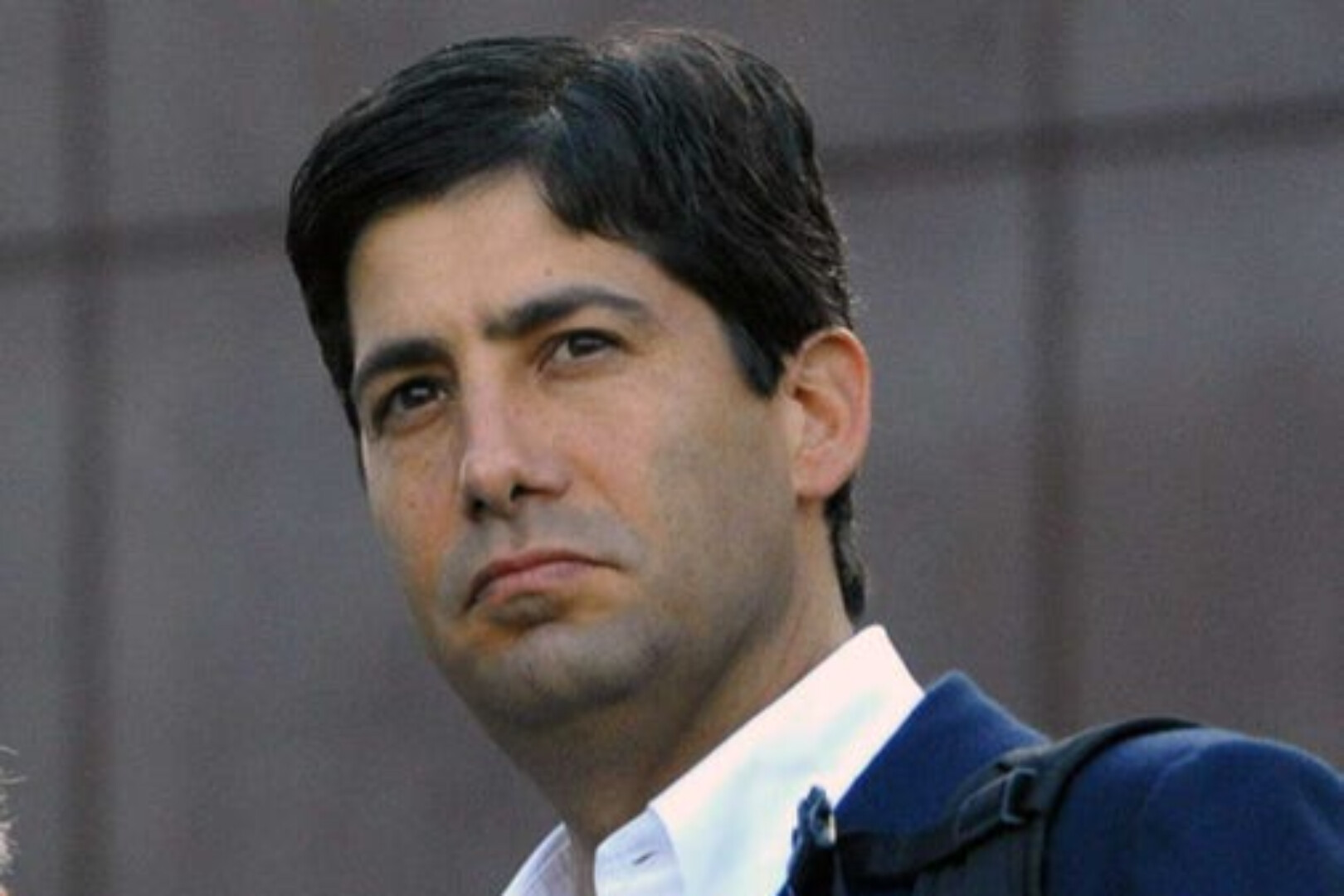
The Federal Reserve Chairman's nominee, Kevin Walsh, is about to attend the Senate Banking Commission's confirmation hearing, but this process of provoking global market nerves may be far less substantial than it seems - – The variables that really determine the outcome are not present at the hearings, and the real policy answers are not there。
According to Bloomberg's advance opening statementWalsh's prepared testimony was nearly 2,000 words, well above the level of 850 to 900 words at Powell's initial hearing and that of former President Jerome, but gave little indication of the direction of monetary policy。He defined a conditional border on independence: monetary policy was the highest, but the Federal Reserve did not enjoy equal exemptions in the areas of public finance management, banking regulation and international finance. At the same time, Walsh ' s previous public position advocating a reduction in interest rates contrasted sharply with his earlier hawk image and was expected to be the focus of Senators ' inquiries。
For the market, the core issues that really engage the market -Future of the Federal Reserve balance sheet— There is no trace in this long statement. John Authers, a Pombo columnist, characterized the hearing as a political performance "more than real" and its ultimate direction depended on the political game outside the scene, not on anything that Walsh said on stage. What Walsh said may not matter。
It is widely expected that Walsh will be well recognized as the most powerful position in the global economy。However, before he formally took office, investors who were betting on his policy path might find it difficult to obtain a clear answer。
Nearly 2,000 words, monetary policy is low
According to a team of Swiss economists, the length of Walsh ' s written statements was historically rare, but the focus of the content clearly deviated from market expectations。A great deal of text is used to review their professional history, to characterize the current macro-level situation as a "key historical node", and to express the will to cooperate with Congress, with very limited language that really relates to policy positions。
Much of Walsh ' s testimony highlights the experience he can bring to the post, and there is little language on monetary policy. Most of the policy-related elements are discussing the Federal Reserve as an institution, as well as reassuring words of commitment to work with Congress on overlapping issues and common policy objectives。
In a limited policy statement, Walsh stressed that "low inflation is the Fed's shield", and reiterated that the central mission given to the Fed by Congress was to ensure price stability, "no excuse, no ambiguity, no debate, no hesitation". At the same time, he criticized the Fed for "extended hard-earned credibility to the brink of statutory responsibility, and may even have crossed the border" in the aftermath of the financial crisis, and categorically opposed the Fed 'to act as an all-powerful body of the United States government。
WITH REGARD TO THE BALANCE SHEET ISSUES OF GREATEST CONCERN TO INVESTORS, WALSH HAS ON PREVIOUS OCCASIONS PUBLICLY ADVOCATED A SCALING-DOWN OF THE LARGE BOND HOLDINGS ACCUMULATED DURING THE FINANCIAL CRISIS AND THE OUTBREAK - THIS POSITION, IF IMPLEMENTED, WOULD MEAN A TIGHTENING OF MARKET LIQUIDITY AND AN UPWARD TREND IN BOND YIELDS, WITH CONSIDERABLE IMPACT. HOWEVER, THE SUBJECT WAS COMPLETELY ABSENT FROM HIS WRITTEN STATEMENT. ACCORDING TO UBS ANALYSIS, WALSH IS SUFFICIENTLY SOPHISTICATED TO MAKE ANY SUBSTANTIVE COMMITMENTS AT THE HEARINGS ON THE MOST SENSITIVE CURRENT FINANCIAL ISSUES。
Independence position: conditional commitment
With regard to external concerns about the Fed ' s independence, Walsh ' s statement was carefully designed to present the logical structure of the inner segment。
He promised that "the implementation of monetary policy would remain strictly independent", but at the same time added in surprising terms that independence was largely "depending on the Fed itself". He stated that when elected officials — including the President, senators or deputies — expressed their views on the issue of interest rates, he did not believe that the operational independence of monetary policy was threatened in substance, and that “central bank officials must be strong enough to be able to listen to diverse voices from all sides”。
According to SB, this statement constitutes an unexpected slight reversal -Walsh ' s commitment to independence is not unconditional: monetary policy is the strongest area of independence, while the Fed is accountable to Congress within other functions mandated by Congress。He made it clear that Federal Reserve officials did not enjoy the same special immunity status in the areas of public funds management, banking supervision and surveillance policy, and international finance。
The Pomber columnist Authers interprets this statement as a skilful "political walker" - – Sufficient to reassure the market about the independence of monetary policy, and to release goodwill to the Trump government, demonstrating the Fed’s willingness to collaborate in non-monetary functions。
Interest-rate shifts: from eagles to advocates for easing
One of the most focused concerns expected at the hearings was the shift in Walsh ' s attitude towards interest rates。
Walsh has long been known for his hawk stance, and has previously been critical of ultra-lax monetary policy on several occasions. I don't knowHe has recently moved to publicly advocate for a reduction in interest rates, a position that is expected to be directly pursued by the Senator。
Walsh did not respond positively to this change in his written statement. His statement on inflation — “Inflation is an option for which the Fed has to take responsibility” — was strong and difficult to interpret as a clear dove signal. However, the observers noted that he had neither publicly denied recent interest-rate reduction initiatives nor made any directional judgement on the current interest rate path in his affidavits。
This deliberate ambiguity goes hand in hand with the systematic evasiveness of its entire statement in the details of monetary policy. In the view of the Swiss economists, senators may initiate inquiries about this during the question-and-answer session, but Walsh ' s possibilities for substantive commitments remain limited。
The hearing was bigger than it was, and the result was conclusive
According to Authers, the central reason why the Wosh confirmation hearing was not treated by the market as a major event is that:The key variables that determined whether he could take office were not at all at the scene of the hearings。Tillis' position depends on the direction of the Powell case, not on any testimony from Walsh. The basic assumption of the market is that this political obstacle will eventually be removed and that Walsh will gain the most powerful positions in the global economy。
As far as the role of the Fed is concerned, Walsh’s opening statement preliminarily delineates the border: monetary policy is the highest in independence, but the Fed’s functions in the areas of public finance management, banking regulation, and international finance do not enjoy the same special immunity status. He warned that when the Fed "leaves the field of fiscal and social policy", its independence was at greatest risk and that it "should not act as a universal body of the United States Government"。
Citing historical precedents, Authers further clarified that the confirmation hearing would not have been a reliable window for prejudging the future policy direction of the Fed Chairman。In the confirmation hearing in Ben Bernanke in 2005, none of the terms "quantitative easing", "balance sheet", "subprime loan", "CDO" or "Leman" appeared — topics that then dominated almost the whole of his term。
This is also confirmed in earlier cases: Alan Greenspan, who was a disciple of Ayn Rand, who had opposed the existence of the Central Bank, pursued a large number of interventionist policies throughout his tenure. There has always been a gap between the candidate ' s past record and his actual conduct upon arrival。
In his presentation, Walsh praised former Secretary of State George P. Shutz as a model of policy. However, according to Shurtz himself, however, had a historical record of pressuring Fed Chairman Arthur Burns to relax monetary policy during the Nixon administration – a detail that was seen by some observers as an interesting footnote。
The real answer to investors who are betting on their policies may not come to light until Walsh is officially in office。
