
Interview with OpenClaw's core contributor: Who should Agent listen to after the tide
WHO'S TO JUDGE WHETHER AI LEARNED EXPERIENCE OR BIAS
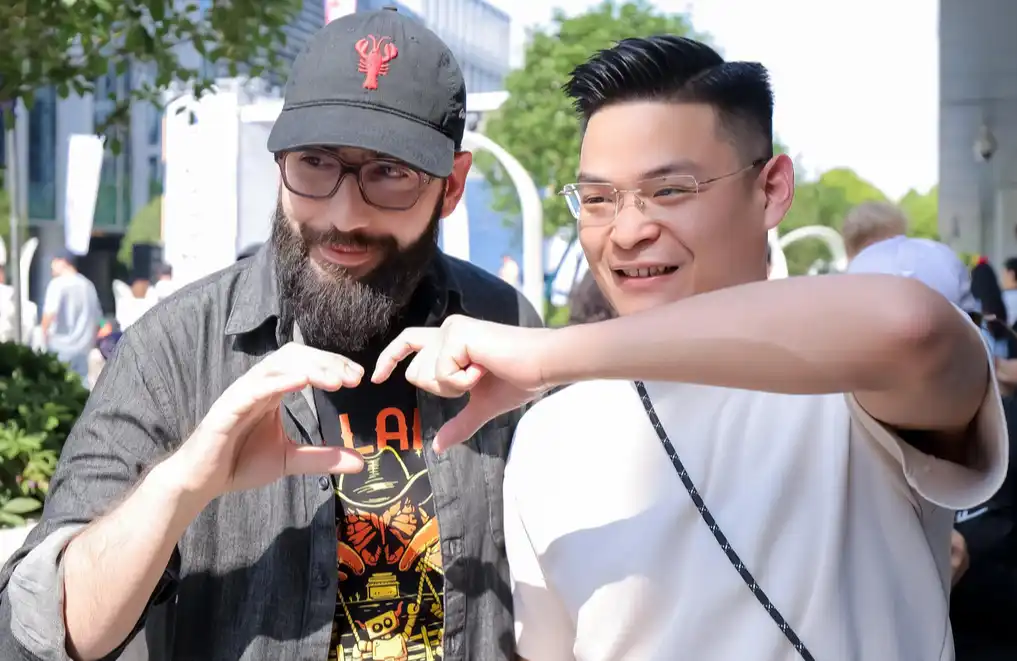
Sleepy, Kaori
OpenClaw is the most unmindful presence in the 2026 Open World. This personal AI Agent project, which was developed by Austrian engineer Peter Steinberger at the end of 2025, ran for three months into GitHub ' s history with the highest number of star-run software, whose founder was personally announced by Sam Altman that he was digging into OpenAI, and the project was handed over to the Foundation for independent operation。
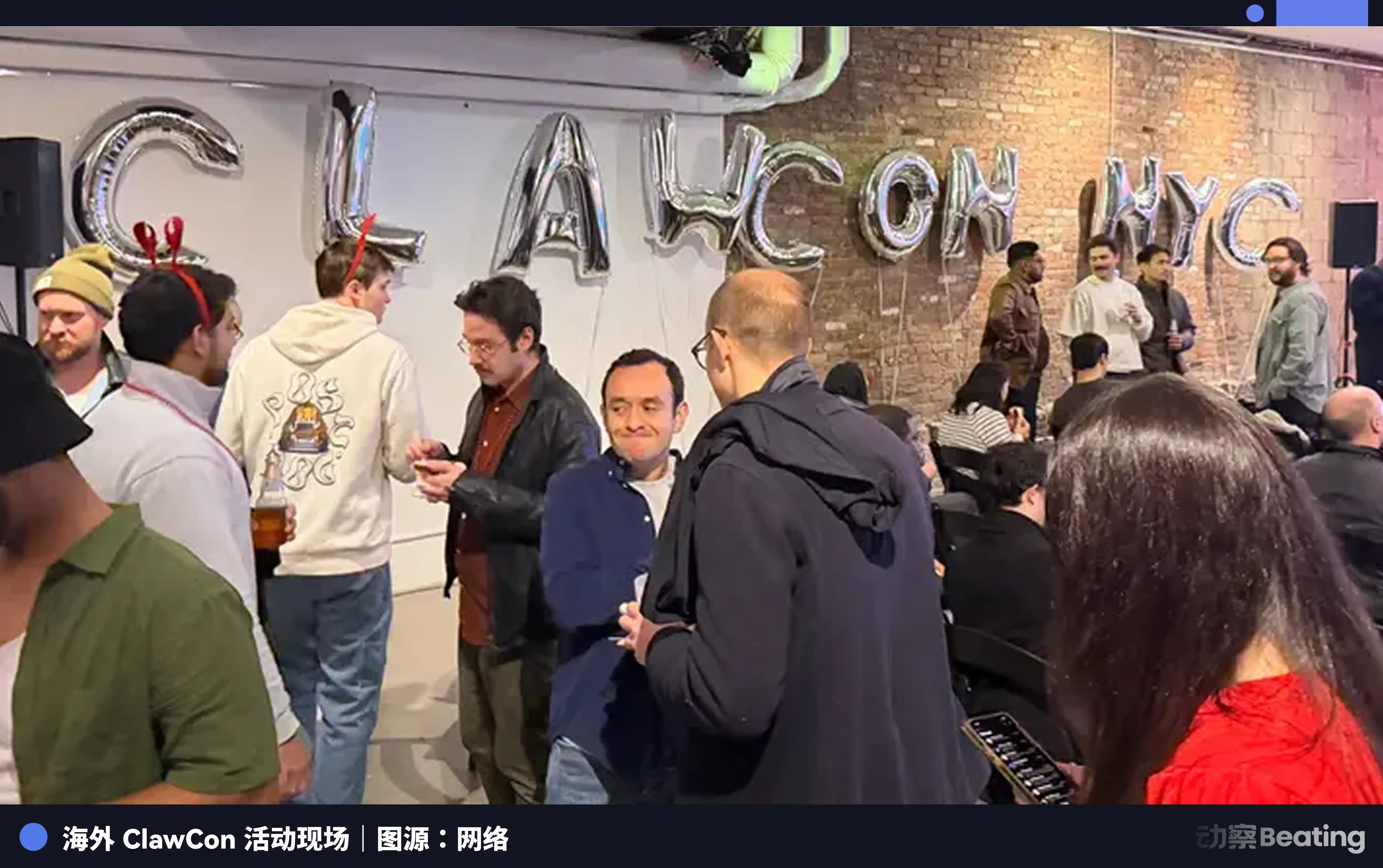
ClawCon, a community movement around it, from San Francisco to New York, Miami, Austin, Madrid, Tokyo, every city is a thousand people。
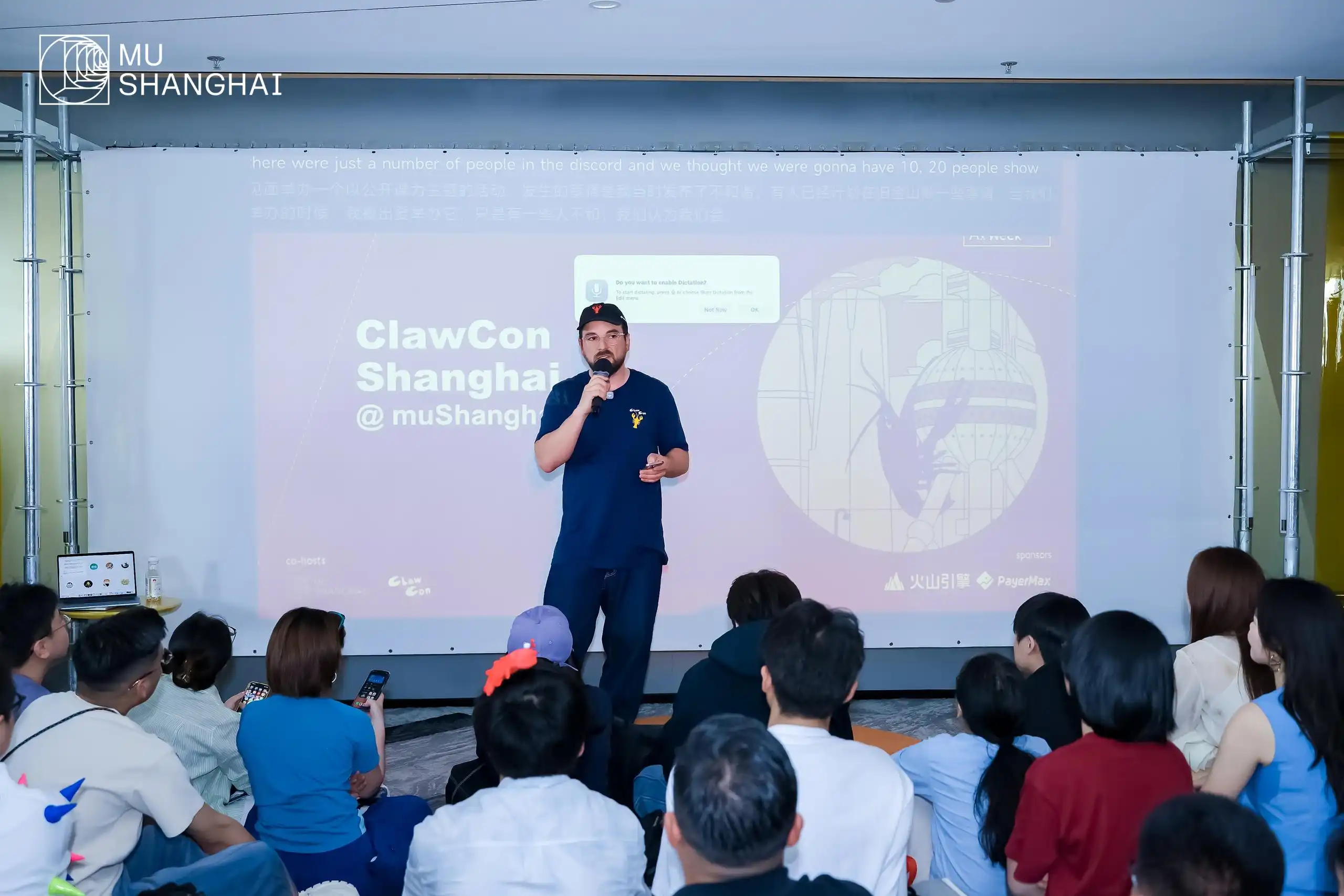
In May, ClawCon's premiere landed in Shanghai. Beating interviewed two core figures at the scene: Vincent Koc and Michael Galpert。
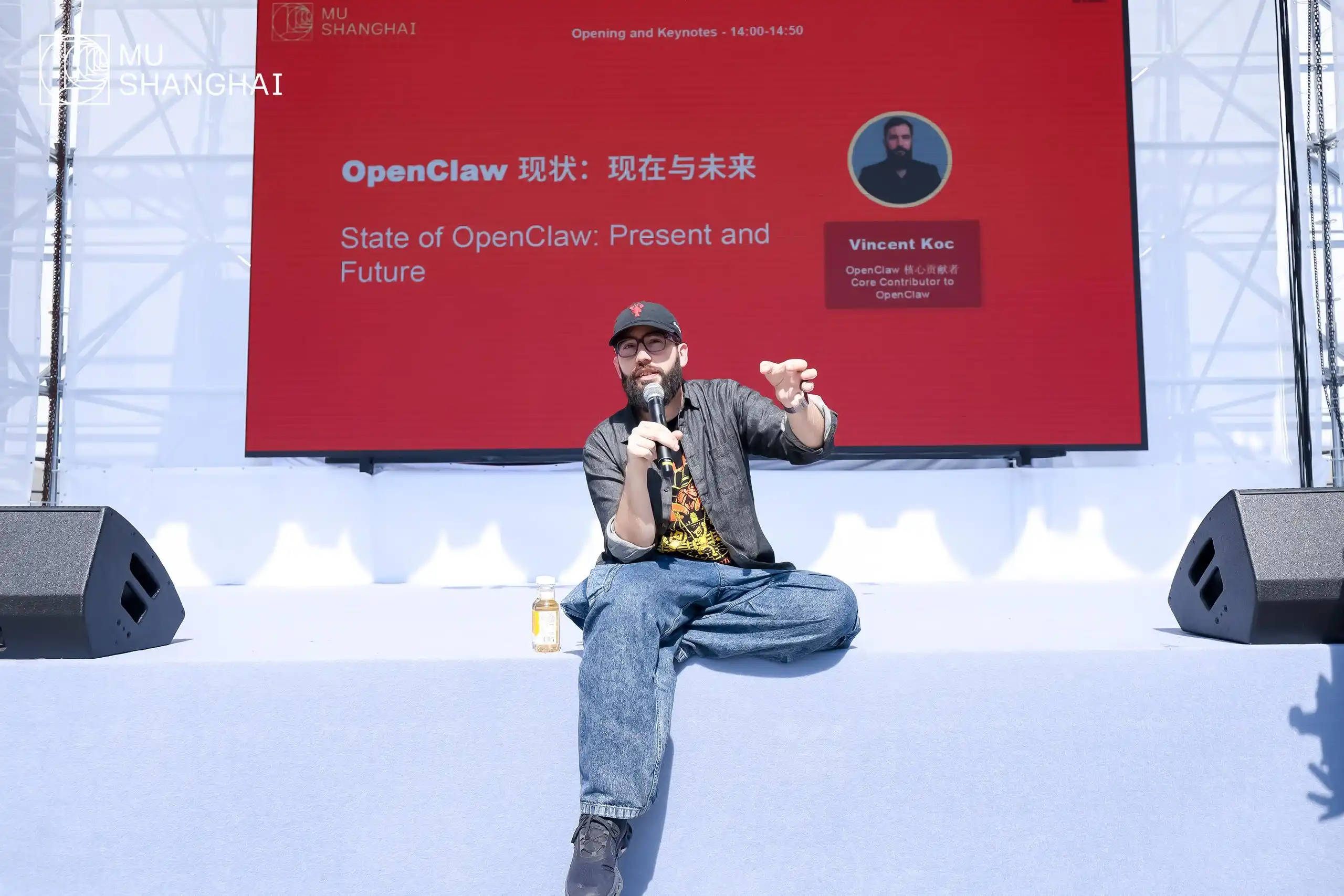
Vincent Koc is the second-highest maintainer of OpenClaw's global code contribution, after Peter himself. He was also the chief AI research engineer for Comet ML, MIT lecturer, and submitted a core safety patch for the early 20% OpenClaw。
Michael Galpert, the founder and global organizer of ClawCon, a continuous entrepreneur, co-founded the photo editing tool Aviary was acquired by Adobe in 2014 and has since been the product director of Epic Games ' Fort Night, now running the AI Products Inc. He made ClawCon an improvisation party from the San Francisco living room as an individual AI community brand covering dozens of cities around the world。
When we interviewed Vincent and Michael, OpenClaw's most popular wind had passed。
This is a better time to talk about OpenClaw. At a time of heat, a project was always pushed forward by numbers: GitHubstar, PR, number of people on the ground, community volume, media coverage, each of which was like a flashlight, brightening people and a little blurry. When the light comes down a little bit, the real problem will come out: Why does it suddenly hit so many people? Can it be transformed from a scene to a daily tool? When an AI doesn't just chat, it starts sending messages, changing files, running missions, who should it listen to
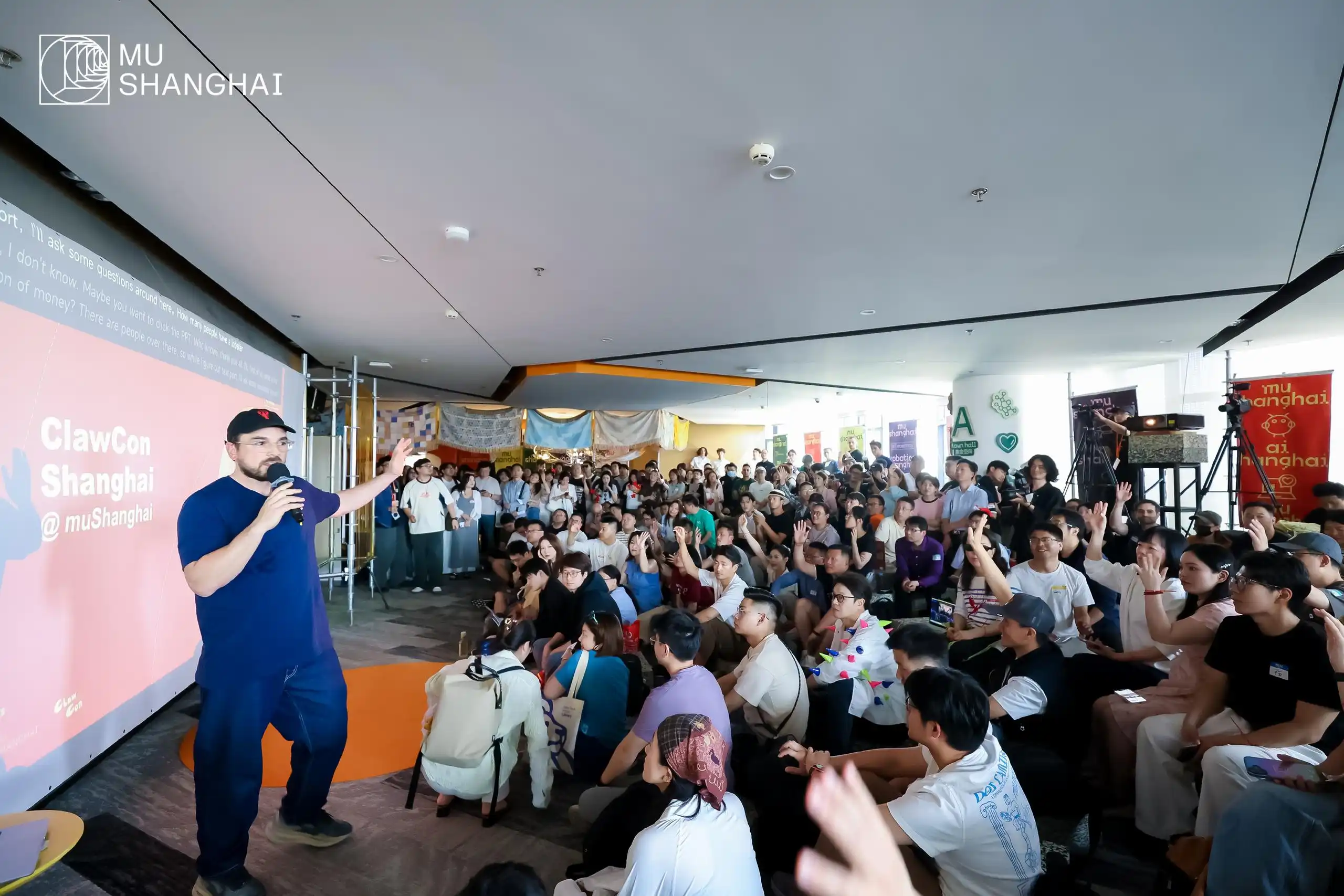
Shanghai ClawCon is still hot. An open source AI project, which in just a few months ran to hundreds of thousands of GitHub Stars, was put into the 28-day nomadic technology community of mushanghai, which according to a press release brought together 800 people from around the world, including the ClawCon Chinese premier。
There are many Chinese developers here who care about flying books, micro-intelligence, business wi-intelligence, nailing, local documents, automated scripts, and how to get OpenClaw into their work and lives. In accordance with established practice, this is a time to talk about passion, speed, and how developers are coming in, preferably with a steep curve。
But Vincent came up and didn't tell it as a beautiful growth story. He started with a problem: OpenClaw received 100,000 PRs。
This number would have been a good place to celebrate. The open source project is the most dangerous for people to use, no questions to ask, no code to be handed over and no one to throw a weekend in。

But OpenClaw faced that everyone wanted to put their ideas in it。
Someone's going to pick up the flyer, someone's going to pick up the mail and nails. Some want it to read local documents, run automated scripts, write codes, organize information; others want it to run a trade strategy, or run a content account for itself for 24 hours。
Former open source projects had a natural threshold: you wanted to submit a code, at least read a document, understand a little structure, run a test, know which one you're changing。
NOW THIS THRESHOLD HAS BEEN SUNK BY AI PROGRAMMING TOOLS。
People who don't know the structure can also make models write codes, run tests, and give patches. An idea that would have stopped in the head could now have been packaged into a submission that seemed to run. In the past, the impulses that were naturally blocked by the threshold of capacity came to the defender's table。
The same applies to safe delivery. Vincent at the scene said that for some time they received over 100 security breach reports per day, each of which was classified and inspected. The real loophole will be repaired as soon as possible, but a large part of it is generated directly from the larger model. The submitters do not really want to make the project safer, but often just want to leave a name on a popular project。
It's a very new noise。
It doesn't have to be malicious, it doesn't have to attack you, it even wears a "contribution." But it swallows the most expensive thing in a system: human attention。
And that's the strongest feeling we've had since we interviewed Vincent and Michael Galpert in Shanghai。
An open-source AI assistant suddenly went red, looking deep, and it was actually a person, Agent, who was ahead of time in the problems that all people would have to face in the coming years. When AI, instead of just talking, started sending you messages, changing files, running missions, making judgments, who does it listen to
It's a lot more difficult than "which model is smarter."。
Smartness is no longer scarce
Vincent repeatedly said in his speech that OpenClaw was not an ordinary product, it was more like the whole set of "hands and feet" wrapped outside the model。
In English, they use the word Harness, which is a strange translation. You can understand it as a set of devices to make the model work: how it uses tools, how it remembers you, how it breaks down, when it stops, when it keeps running, how it goes, how it goes, how it goes, how it goes, how it burns, how it goes。
Models like brains, these things like bodies。
Over the past year, the industry has become obsessed with brains. Who is stronger in reasoning, who is better in code, who is longer in context and who is more accurate in modeling. The rankings are as popular as the early market for vegetables, and the vendors are calling themselves the freshest, cheapest and best。
But a man has a brain and can't do anything. You have to have hands, feet, pain, boundaries. Hands can't stretch, feet can't run, pains can be felt and knocks before entering the door。
The same is true of Agent。
The model will think, not that it will do; it will do, not that it will do well; nor that it will do well, nor that it knows when to do it. Many companies talk about Agent, or say it's a "better model + more tools." But in real use, users often feel more than smart, but rather physical。
Can it finish a long mission? Did you forget what you said? Can you fix the pot yourself with the wrong tools? If you're not sure, do you want to get back to work or just stop
These questions are not pretty and are not suitable for inclusion in the press conference. But they decided that Agent could go into everyday life from a demonstration video。
Vincent spoke of a very simple triangle: speed, cost, accuracy, and it's hard for you to have all three。
if you start saving money, you have to accept it slowly and wrongly. if you want to be fast and accurate, you have to accept the cost of reasoning, the length of the chain of tools, and the way you fail. a lot of people like to talk about problems as token consumption, like that's just a number on the bill. but in real systems, every retest, every tool call, every human takeover is a cost。
This is not clear from the model ranking. The running branch will tell you how much code, how much math, how much reasoning, but it won't tell you how many times this model will fail after it's put into a real Agent, if you want to find someone and ask if you want to fall off a computer。
So Vincent's judgment is that it's important that the model continues to grow stronger, but the difficulty of personal Agent is moving from "will you want" to "will you act?" And this is not just a model score。
The problem has changed。
Open the door and put the noise in
The more successful OpenClaw is, the more difficult it is to do what it is to do。
OpenClaw was the first personal AI assistant, not the corporate system, the multiple Agent platform, or the bottom of the business for all companies. OpenClaw's public vision is also described as "runs on your papers, in your schools, with your rules."。
But once the open source project has grown, it is difficult to belong to the original group。
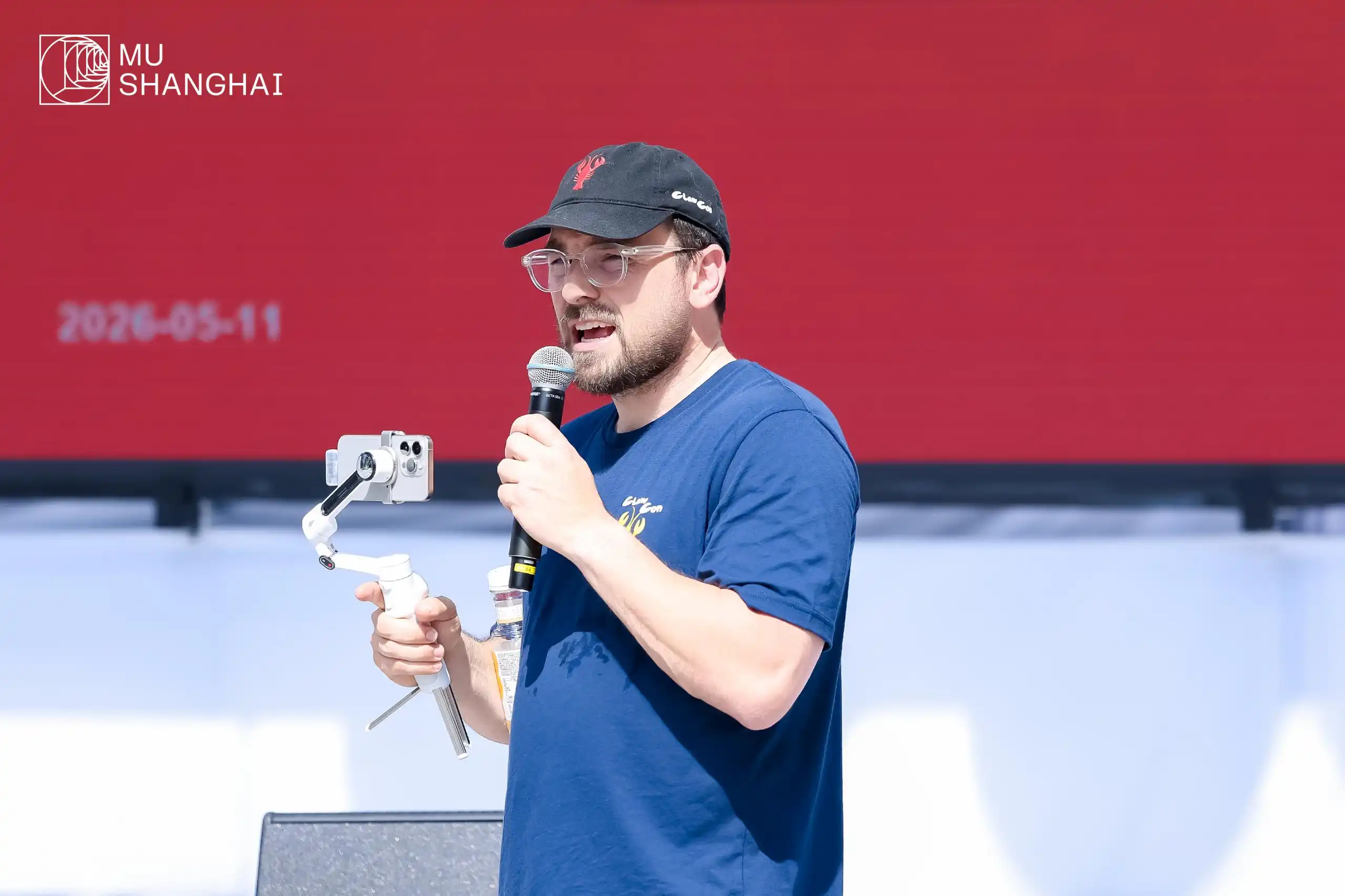
Michael said that the project started out for individuals, but now people are doing things on it. He was shocked by the speed and willingness of Chinese developers to access OpenClaw。
The beauty of the open source is here, the cruelty is here。
It opens the door and allows more people to come in. But as soon as the door was opened, it was no longer the owner's choice。
PAST OPEN-SOURCE PROJECTS RELY ON THE TECHNICAL AUTHORITY OF A FEW DEFENDERS. NOW AI BRINGS CODE PARITY, MORE ORDINARY PEOPLE GAIN SOFTWARE PRODUCTIVITY AND PUSHS MORE UNIMAGINED NEEDS AND UNSUSTAINABLE FUNCTIONS TOGETHER TO MAINTAINERS。
Of course it's not bad. On the contrary, this may be a decentralization rare in the history of open sources。
But decentralization never automatically grows order。
The more open a community is, the more it answers border questions. Vincent says the OpenClaw team is now adjusting maintenance methods to SDK, testing tools, documentation and reference architecture. It's a big white word: instead of keeping water out, they have to fix the river。
It's also an early episode of Age。
OpenClaw in the heat can easily be written as a victory story: more people come in, more code comes in, more imagination comes in. But when the heat goes away a little bit, the other picture comes out。
WE THOUGHT AI WOULD MAKE THE SOFTWARE WORK EASIER, AND IT WOULD MAKE THE MAINTAINER TIRED. BECAUSE WHEN EVERYONE CAN WRITE CODES, WHAT IS REALLY SCARCE IS NOT CODE, BUT JUDGEMENT: WHAT IS WORTH IT, WHAT RISKS ARE NOT ALLOWED, WHAT NEEDS SHOULD BE MET, AND WHAT NEEDS IS JUST A NOISE CHANGE。
A bigger problem comes with it。
If communities redefine OpenClaw by action, which of these definitions becomes the future of the individual Agent? Which are just short-lived
The smarter you use, the harder it gets
When the heat fades, competition begins. It's no longer just an attractive eye, but it's forcing all Agent projects to answer a more simple question: How do you prove that you're not a one-time toy
Hermes is a good contrast. As it stands, its selling point is to get Agent back on his own after the job: where to do well, where to do bad, which steps can sink into the next direct call experience. The next time a similar mission occurs, there is no need to rethink it and do it directly. To put it straight, it's about writing your own experience, the more familiar it is。
It's very moving。
Who doesn't want an assistant who works harder? Who doesn't want an employee who comes to work with a little book after work? In an era when everyone is calling for efficiency, the "better" is almost the best of promises。
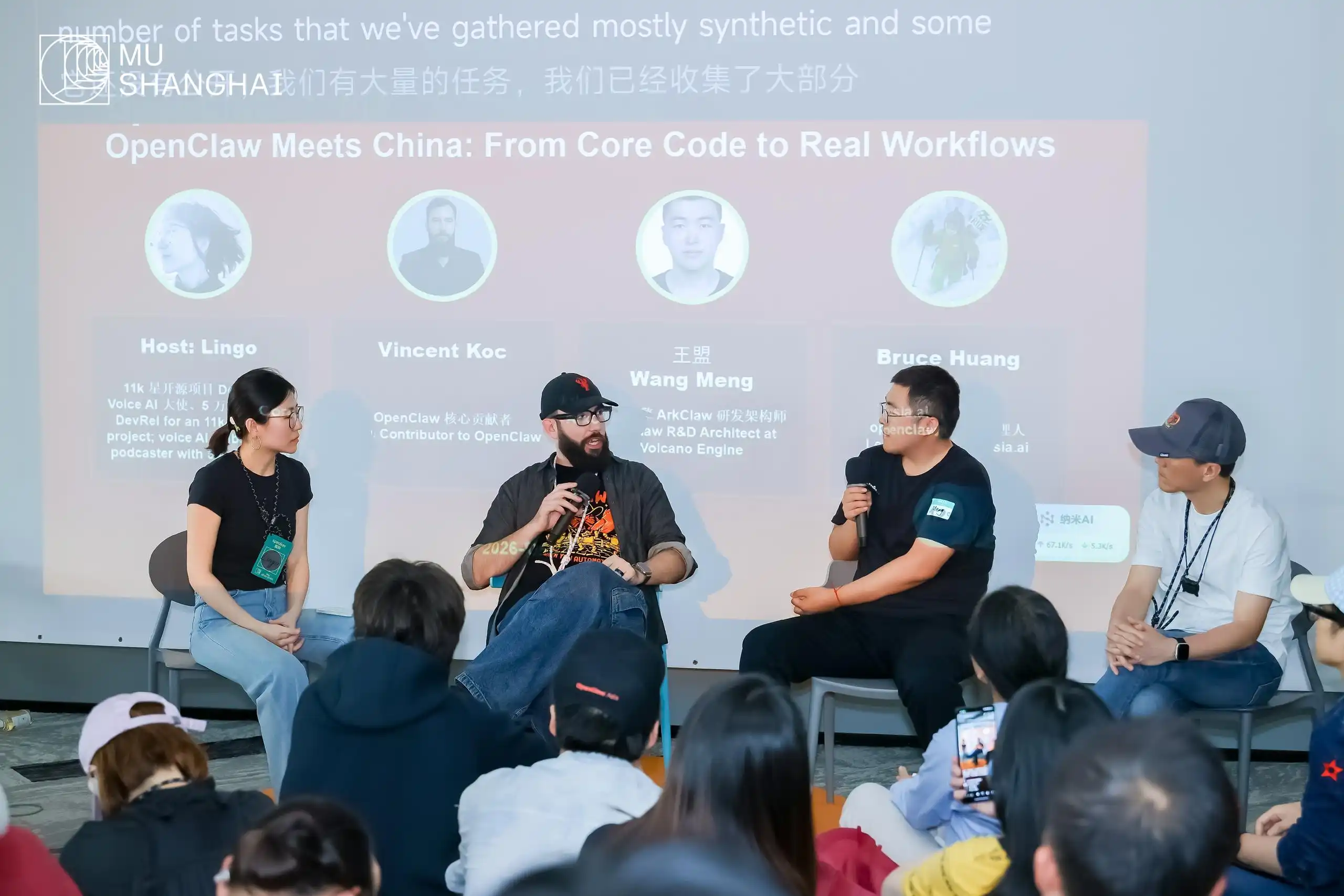
Vincent was cautious about this。
He didn't rush to say OpenClaw could do it, nor did he step on Hermes. He simply said that “the automatic experience is useful and there is no strong assessment in the market”
An Agent automatically wrote down skills, either in compressing experience or welding errors. It's been useful seven out of ten times and misleading three times. How does the system judge whether to stay? It's written the one successful path into a fixed process. Next time the environment changes, will it go down the wrong path? A memory is obsolete in a few weeks, but Agent believes it because of repeated calls. Is that smart or stubborn
People do that too. The market changed, and the scheme was used as an ancestral recipe. A company once survived on a process, then offered the process and whoever touched it died. We call it empiricalism, path dependency, organizational inertia. Put it on Agent, it might be packaged as "automated learning"。
That's Vincent's cautious place. He does not want OpenClaw to learn, but does not want to equate "looking learning" directly with "real progress."。
Learning in the real world isn't all the lessons you put into the warehouse. True learning also includes oblivion, including error correction, including the acknowledgement that “this path was useful before and not necessarily now”。
A non-forgettable Agent, not necessarily smarter. It may just be harder to correct。
So the problem is another step forward。
If Agent remembers, repeats, writes his own experience, who judges whether it has learned experience or bias
Memory is not a function. It's the beginning of a relationship
Michael was asked what its core competencies would be if everyone had their own permanent presence in Agent in the future。
He did not say reasoning, did not say polymorphism, did not say that the instrument was called. He said it was memory。
Two weeks ago, you talked to Agent and brought it up today, and it should know what you're talking about. Memory is essential to maintain a long-term and sustained relationship。
It's plain, but it cuts off personal Agent and ordinary software。
Tools are functionally used and relationships are maintained by memory。
Every time I open it, it's like the first time I see you. It's always just a tool. Personalization is not your name written on the interface, it's not the color you like, but it knows who you are, knows how you work, knows what you don't like, knows what you're always hesitant about, and what you're impulsive about。
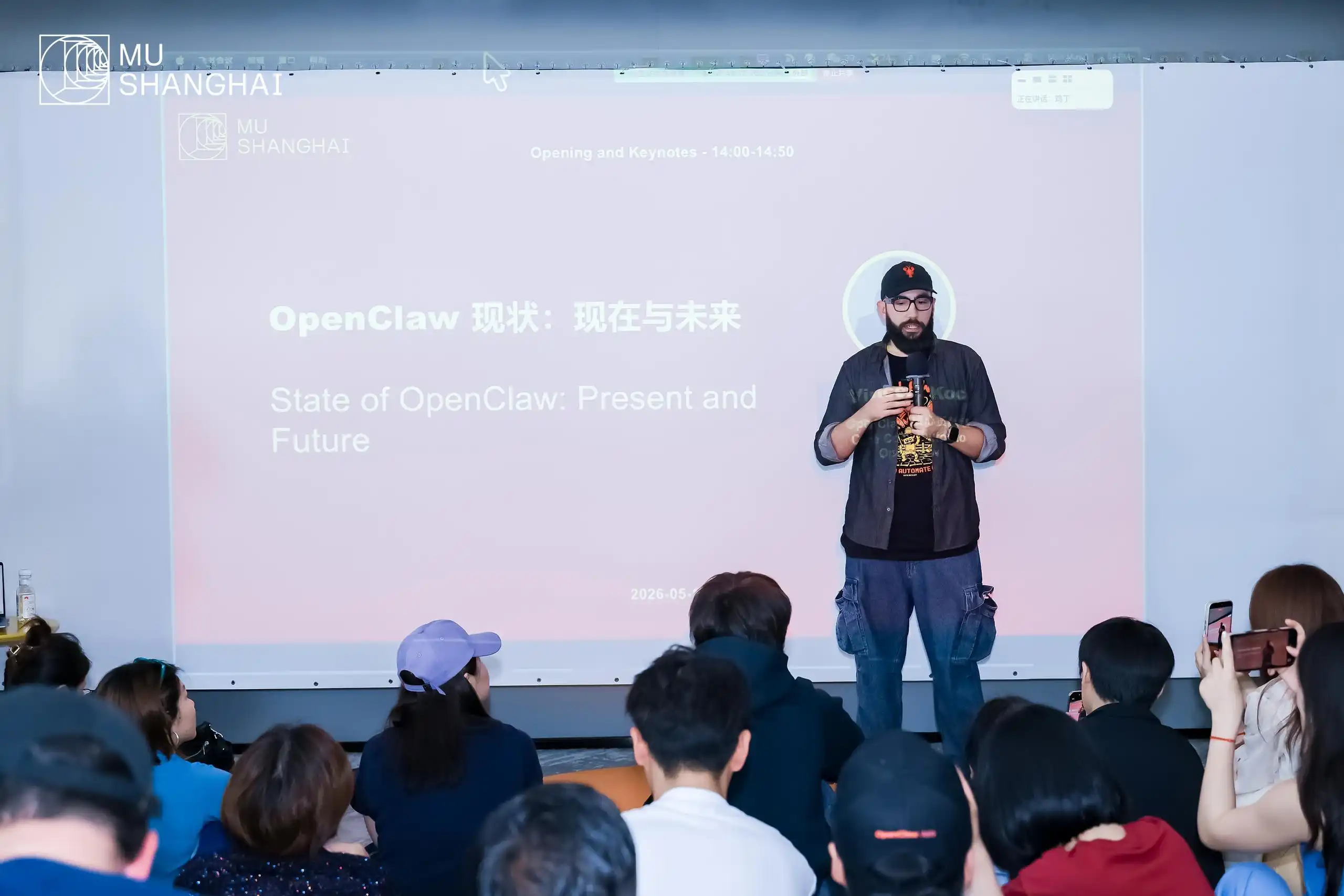
Vincent talked about it in his speech. He said that industry could have good performance models but lacked a sense of long-term coexistence. When we talk about individual Agent, it's not just a business scene, it's not the column in the form, "What users do with it." It worked for me, Agent, and I spoke to Agent. Everyone's expectations of AI are different, and designing this is a completely unknown area。
This is actually a rebuttal of the most familiar set of questions in the technology industry。
The technology industry likes to ask, "Who's the user? What's the scene?" Where's the pain? What's the reward? Who's the budget? This is certainly a useful set of questions, especially when selling corporate software. But Vincent means that the individual Agent is not just a fixed function, it's more like a relationship portal。
"What to do" is the function。
"How does it understand me" asks about relationships。
That's a very small difference, too。
The tool age, human orders, software implementation. You open an app, finish one thing and turn it off. You don't care how it looks at you or whether it remembers you. The collaborators are different. A collaborator will remember why you changed your mind the last time and will know what circumstances you can easily enter, or may ask you at a critical moment: Are you sure
Vincent has an interesting sentence. He said it wasn't him who told Agent what to do, but Agent was asking him, challenging his thinking, asking them how to work together。
At first glance, it's like a gentle declaration of the future。
But deep down, it's gonna get cold。
If Agent can challenge your mind, what does it do? It is challenged on the basis of what memory, what preferences, and what values? Is it on your side, or is it on the side of the guy who wrote it? Does it understand your long-term interests or the actions that the Platform wishes you to take
Who does he listen to
Previously, the platform had shaped the flow of information. What you got, what you saw, what you got carried away. In the Age of Agent, the platform or open-source community may have been shaped by a "man" who will act for you, judge for you, and arrange for your daily life. It's not just going to push you, it's going to get into your files, chats, schedules and workflows, even the way you deal with the world。
A person without character, not personal. A character quietly defined by someone else, Agent, too personal。
The middle is the hardest place to sew in the coming years。
Security becomes a human problem
On the scene of ClawCon, Vincent was asked about security。
OpenClaw, the more power you give it, the more useful it is; the more power you give it, the more dangerous it is. It can connect to chat software, read files, run scripts, adjust models, write codes. Capacity and risk are not two paths, but the opposite。
Vincent's answer is in two layers。
First, OpenClaw is too visible. As GitHub's large open-source warehouse, it's been staring at by security researchers. A lot of people want to break it, because it makes them famous. They once received over 100 security breach reports a day, each of which was checked. The real loophole will be fixed soon and the garbage report will have to be read。
Secondly, they work with the security research team to integrate the problems identified into the product and to be as transparent as possible. The advantage of the open source is that everyone can see it, everyone can check it, and of course everyone can attack it。
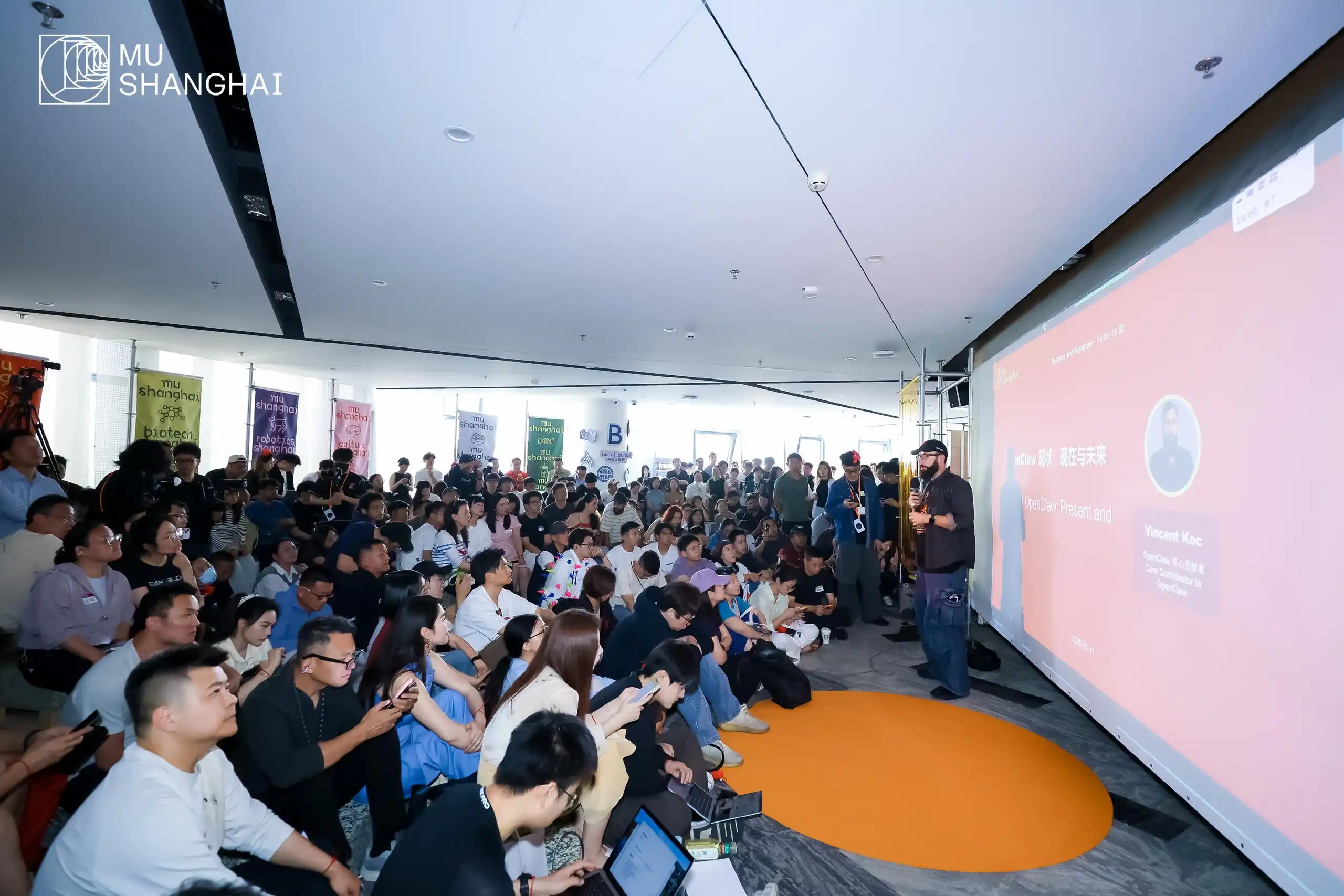
Agent's security is more than "no holes." It's more like a set of border issues, you allow it to touch anything, you don't allow it to touch anything; it stops to ask you when it can act on its own; it can send messages, change files, run scripts, connect business systems on your behalf; and when it happens, the responsibility is who。
Traditional software problems, crashes, cuts, drops data. Agent's in trouble is in the chain of action. It may miss the document, send the wrong message, submit the wrong code to the production environment, or do a small thing when you don't see it。
This is why Chinese developers use them in a very powerful way。
Flying Books, Business Wisdoms, Wisdoms, Nailings, not just software, are Chinamen's fine veins of work and life. An Agent connects, not just an extra plugin. It enters an area where organizational collaboration, client communication, personal relationships, document flow and routine chores are mixed。
The more it knows you, the more it works for you; the more it works for you, the more you know where it reaches. Personal Agent's temptation and risk is the same thing。
You want it to be hidden in chat software like an assistant who knows you, on call, remember you, run your leg. But it's because it's on call, remembers you, runs the leg, you have to ask its borders。
Does it talk when it shouldn't? Do you remember when you shouldn't? Will a temporary mandate be understood as a permanent mandate? Will your hesitation, silence and border feelings be considered obstacles to the fulfilment of your mandate
Agent, not necessarily the one who suddenly betrayed you. It's too dramatic and too sci-fi. The more real danger is that it's been very easy, very thoughtful and has kept you out of trouble. Until one day you found out that many of the judgments it made for you were not entirely from you。
"Don't know yet" is an honest thing
Michael says OpenClaw should never be turned into a closed-source project. It should always be open because it opens the door to the age of the individual Agent。
But the open source did not make the problem disappear, and Agent should not be defined by model companies alone, nor by platforms alone。
Over the past year, Agent's competition has been described as model competition. Who is better in reasoning, who is better in code, who is longer in context and who is lower in cost. OpenAI, Anthropic, Google are all working on Agent capabilities in their own products, and closed platforms give more definitive answers: unified accounts, unified privileges, unified tools, unified memories, which businesses like。
There is certainly value in certainty。
But certainty also means that you accept the boundaries that others have drawn for you. You've got stability, you've got a set of character, memories and ways of acting。
We're in Shanghai asking Vincent, OpenClaw should never have become anything. He said it was an open source project, which people would use to do things ranging from children's toys to running businesses, and it was hard to say "this shouldn't be done". The beauty of open-source technology is that communities work together to move it in one direction。
This is not hiding, it is the honesty that is rare today。
OpenClaw’s answer is not “discovered”, but more like “not known”。
It is not clear how the personality of the individual Agent should be designed, when the autowriting experience will be useful, when it will be harmful, where the community will push the project to where it never comes from, or what line should be drawn between the personal assistant and the enterprise system。
But in the face of something that moves on behalf of others, it is suspicious to say that you know the answer。
Technology industries tend to see uncertainty as a weakness. But in Agent's case, uncertainty might be the last thing to wake up. Because it's not just another office software button, it's not just a chat robot upgrade. Once it runs, it becomes involved in human memory, relationships, judgement and the right to action。
Who does he listen to? Now that nobody really says it, it might be good。
Before we hand over enforcement authority, admit that we have not yet understood that, at least, it is much more honest than pretending that everything has been arranged by the product road map。
Agent, the most dangerous future, may not be the one who disobeyed。
So that you forgot to ask: Whose hand is it
